Malicious actors can prey on unsuspecting users without leaving much of a digital footprint on Tor, so it’s often just a matter of time before you run into one. ZeroBin is a minimalist paste-bin tool that allows users to share text securely and privately on the Tor network. With this info, the wider online community can grasp Tor’s impact and its ability to provide secure and anonymous internet access. You can access encrypted email services through the onion site without getting tracked. Unlike traditional search engines, it doesn’t track or store personal information, ensuring your searches stay private.
- DeepSearch is an open-source search engine designed for exploring the dark web within the Tor network.
- While no approach guarantees complete safety, a careful and skeptical mindset serves as one of your most valuable tools on the hidden internet.
- If you choose to visit the dark web, you must take the necessary measures to protect your privacy and security.
- By exploring these categories of resources, users can discover that the dark web’s landscape is more nuanced than popular portrayals suggest.
Beneath the familiar surface of the internet lies a vast, unindexed space known as the dark web. This hidden layer, accessible only through specialized software, hosts a network of dark websites that exist outside the reach of conventional search engines. While often shrouded in sensationalism, this ecosystem is a complex mix of privacy, illicit activity, and anonymity, serving purposes that range from the noble to the nefarious.
Dark Websites
At its core, a dark website is any site hosted within an encrypted network, most commonly on Tor (The Onion Router) or I2P. These sites use .onion or .i2p addresses, which are essentially random strings of characters, making them difficult to find or remember without direct links. The defining feature of these dark websites is their focus on anonymity, for both the visitor and the operator.
The Dual Nature of the Darkness
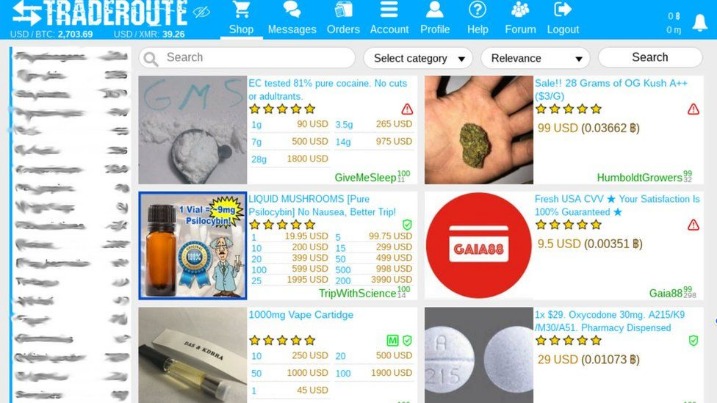
The reputation of dark websites is heavily influenced by their use for illegal markets. Here, one can find contraband ranging from drugs and stolen data to forged documents and malware. These dark websites operate in a digital black market, leveraging cryptocurrency and encryption to facilitate trade. However, to define the entire space by this aspect is a significant oversimplification.
- It doesn’t just find pages — it gathers technical data such as uptime, bitcoin addresses, SSH keys, and service fingerprints.
- Some users also share links on encrypted apps like Telegram or Keybase that you can check.
- Furthermore, data will help to detect attacks against the network and possible censorship events.
- Moreover, with the emergence of more user-friendly tools, even a free dark web browser can ease the process of letting one come to an appreciation of this environment with very little technical setup done.
- You could be monitored closely even if you are not doing anything illegal.
Conversely, many dark websites serve as crucial tools for free speech and protection. Whistleblowers, journalists, and activists in oppressive regimes use these platforms to communicate and share information without fear of reprisal. Major news organizations often have dark website mirrors to allow secure tip submissions. For these users, the anonymity provided by dark websites is not a shield for crime, but a necessary defense against surveillance and persecution.
Navigating the Hidden Layers
Accessing these dark websites requires specific tools, with the Tor Browser being the most common. It routes traffic through multiple encrypted nodes, obscuring the user's location and activity. While this provides privacy, it also comes with risks. The landscape of dark websites is rife with scams, malicious software, and law enforcement operations. The very anonymity that protects users also protects those who seek to exploit them.
Ultimately, dark websites are a technological reality reflecting the full spectrum of human behavior. They are a testament to the enduring demand for privacy and the free flow of information, while simultaneously illustrating how such tools can be co-opted for criminal enterprise. The dark website ecosystem is not inherently good or evil; it is a mirror, albeit a deeply obscured one, held up to the complexities of society itself.