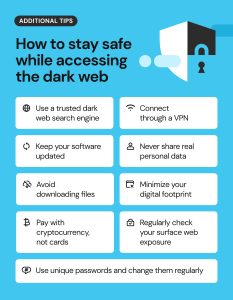
However, search engines only index publicly accessible .onion sites. Whether on the clearnet or the dark web, using search engines and other browsing tools can lead to data leaks that expose your search history and other personal information. Additionally, visiting onion sites, downloading dark web torrents, or clicking unknown onion links carries serious security risks.
- At the same time, it is a breeding ground for malicious actors who want to do illegal activities.
- The best way to safely search the dark web is by using specialized dark web search engines that prioritize user safety and privacy.
- Its key features include kernel hardening, application firewall, package security, filesystem encryption, meta-proxy encryption, and binary integrity.
- If you want the largest index and don’t mind unfiltered results, Torch is a top choice it’s one of the oldest and has tons of pages, but be cautious.
The internet most people experience is a surface layer, accessible through standard browsers and search engines. Beneath this lies the deep web, consisting of unindexed pages like private databases and subscription services. Deeper still is the dark web, a small, intentionally hidden segment requiring specific software to access. Navigating this obscured space presents a unique challenge, one addressed by specialized dark web search engines.
Dark Web Search Engine
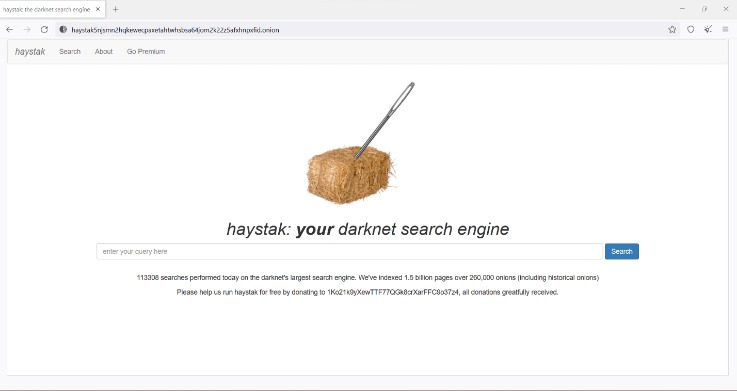
Unlike Google or Bing, a dark web search engine is designed to index and query websites existing on overlay networks like Tor or I2P. These engines do not crawl the surface web; they operate within the encrypted confines of the darknet itself. The most well-known example is DuckDuckGo, which offers a Tor hidden service, but dedicated engines like Ahmia and Haystack are built specifically for this purpose.

How They Function
These search engines use crawlers, often called bots or spiders, that are configured to navigate the Tor network. They parse the unique .onion addresses, indexing content they are programmed to find. However, the process is inherently slower and less comprehensive than surface web indexing due to network latency and the transient nature of many dark web sites.
Limitations and Dangers
Relying on a dark web search engine comes with significant caveats. Index coverage is notoriously spotty, and search results can be unreliable. More critically, these engines can inadvertently expose users to illegal and disturbing content. There is no effective filtering, and malicious sites are commonplace. Furthermore, some search engines themselves may be honeypots operated by law enforcement.
The Purpose Beyond Illicit Activity
While often associated with criminal markets, a dark web search engine also serves legitimate purposes. It is a vital tool for journalists, activists, and whistleblowers operating under repressive regimes to find secure communication platforms. Researchers use them to study the dark web's ecosystem, and individuals concerned with extreme privacy may utilize them to access forums and resources free from surveillance.
Ultimately, a dark web search engine is a specialized tool for a specific, high-risk environment. It provides a necessary gateway into an anonymous digital space, but its use demands a clear understanding of the technical, legal, and ethical dangers involved. It is a reminder that the internet's deepest layers are fundamentally different from the curated, accessible web of daily life.