During the first season, secrets are revealed concerning the Kahnwald, Nielsen, Doppler, and Tiedemann families, and their lives begin crumbling as their ties are exposed. Children start vanishing from the German town of Winden, bringing to light the fractured relationships, double lives, and dark pasts of four families living there and unfurling a mystery that spans four generations. In 2021, the BBC ranked the series as the 58th greatest TV series of the 21st century. The second season was released on 21 June 2019, while the third and final season was released on 27 June 2020.
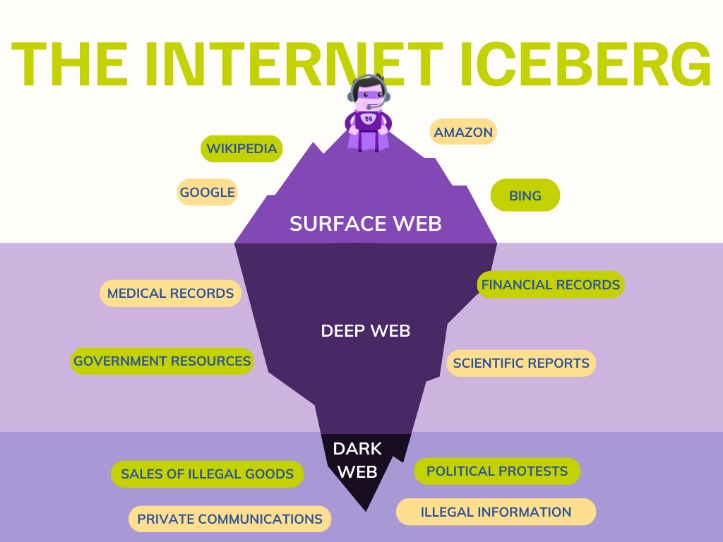
Beneath the surface of the standard internet lies a vast, encrypted network known as the dark web. Unlike traditional websites, dark web sites are not indexed by search engines and require specific software to access. These sites are often called dark web onions, a name derived from their unique addressing system and layered privacy.
The first season of the series was released on 1 December 2017. Netflix approved the series in February 2016 for a first season consisting of ten one-hour episodes. The adult Elisabeth and Charlotte from 2053 travel to 2041, kidnap baby Charlotte, and deliver her to Tannhaus. The Unknowns travel to the year 1986 in both worlds to release radioactive waste at the power plant – this eventually causes the wormhole and the apocalypse. Unable to reach Aleksander, she and Bartosz race to the power plant, but are intercepted by the adult Magnus and Franziska from Adam's world, who send Martha on her mission to rescue Jonas.
Dark Web Onions
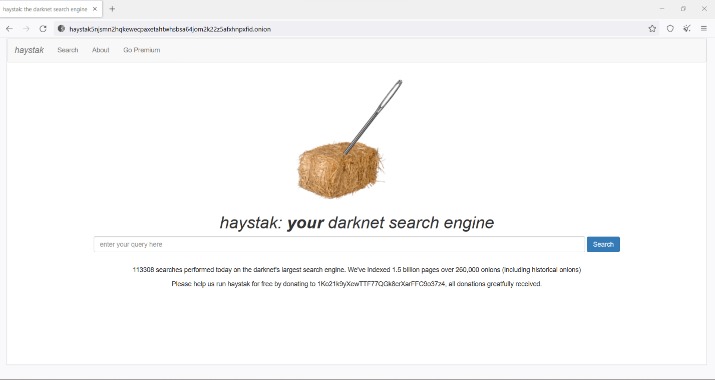
At the core of this hidden ecosystem are onion services, formerly known as Tor hidden services. A dark web onion address is a string of 56 random letters and numbers followed by the ".onion" suffix. This complex address is not a domain name but a representation of the service's public key, providing both anonymity and authentication.
How Onion Services Work
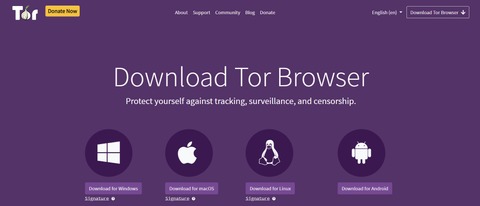
Accessing a dark web onion involves routing traffic through the Tor network. This process, called onion routing, wraps data in multiple layers of encryption—like the layers of an onion. Each relay in the network peels away one layer, only knowing the immediate previous and next steps, ultimately hiding the user's location and the service's location.
- Anonymity: Both the visitor and the site operator can conceal their identity and physical location.
- Resilience: Onion services are often more resistant to Distributed Denial of Service (DDoS) attacks.
- Censorship Resistance: The decentralized nature makes these sites difficult for authorities to block or take down.
The Dual Nature of Onion Sites
The privacy offered by dark web onions is a double-edged sword. While crucial for whistleblowers, journalists, and activists in repressive regimes, the same technology facilitates illicit marketplaces and other criminal activities. It is a realm of stark contrasts, hosting both essential tools for freedom and hubs for illegal commerce.
Common FAQs
- The series’ plot twists weren’t just plentiful – they were meticulously crafted, paying off narrative threads laid seasons earlier without ever feeling like shock tactics.
- G. Tannhaus created a time machine to prevent the death of his family, inadvertently destroying his world and splitting it into the worlds of Adam and Eva.
- It’s not just a great series – it’s arguably the platform’s greatest achievement in science fiction storytelling.
- In the power plant, Clausen opens the drums containing rocks soiled with dark matter.
- The season received a rating of four out of five from Jack Seale of The Guardian and Boyd Hilton of Empire, a B+ grade from Hanh Nguyen of IndieWire, and an "amazing" score of 9 out of 10 from David Griffin of IGN.
Is it illegal to access the dark web?
No, accessing the dark web itself is not illegal. However, many activities conducted on it are. Using Tor to browse is legal in most countries, but visiting sites that sell illegal goods or services is not.
Are all .onion sites dangerous?
Not all. Many legitimate organizations, including news outlets and privacy advocates, run onion mirrors of their sites. The danger often lies in inadvertently stumbling upon disturbing or illegal content.
Can I be tracked on an onion site?
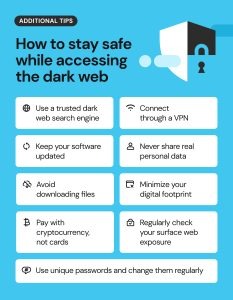
While the Tor network provides strong anonymity, it is not infallible. User mistakes, such as downloading files or enabling browser plugins, can compromise privacy. Advanced correlation attacks by powerful adversaries also pose a theoretical risk.
In conclusion, dark web onions represent a critical technology for privacy in the digital age. They are a technical solution to the problem of surveillance and censorship, yet their existence continues to fuel complex legal and ethical debates about the boundaries of online freedom and security.