While shock twists have become a staple of modern TV, no other series has wielded them with the precision of Dark. Meanwhile, Thrillist ranked it at number 19 on its "40 Best TV Shows of 2020" list, with one of its writers Emma Stefansky calling the series finale "one of the most shocking and emotional conclusions to a TV show you'll see this year." The season was listed by many publications as one of the best TV shows of 2020. The season was included in many critics' year-end lists of 2019. The season received a rating of four out of five from Jack Seale of The Guardian and Boyd Hilton of Empire, a B+ grade from Hanh Nguyen of IndieWire, and an "amazing" score of 9 out of 10 from David Griffin of IGN. Los Angeles Times listed Dark as one of the best TV series of 2017, while Thrillist named it the 18th best TV show of the year.
Adam shows Jonas a God Particle that will take him to any time he wants. The kids take the time machine and leave Bartosz tied up in the cave. Martha, Magnus, Franziska, and Elisabeth visit the cave, where they find Bartosz carrying the time machine.
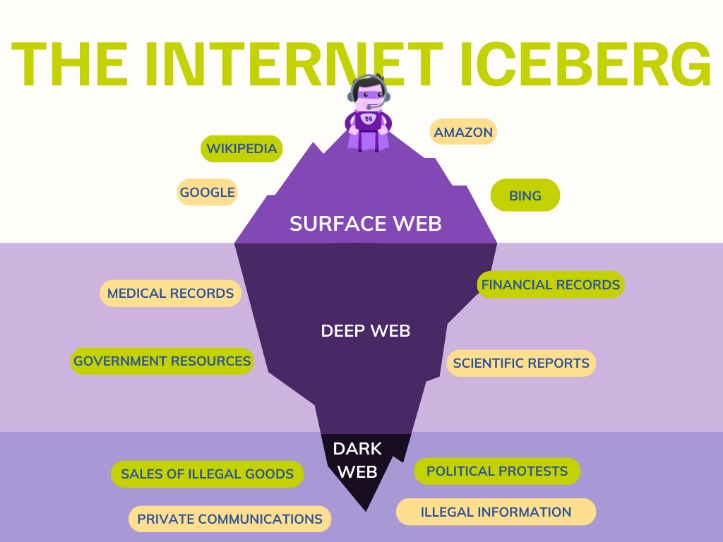
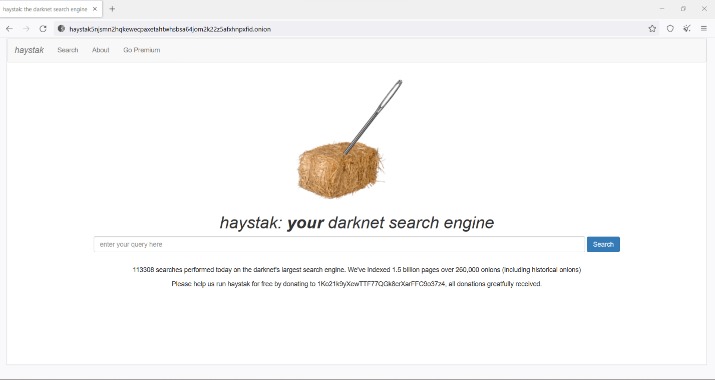
The digital underworld operates in the shadows of the clearnet, accessible only through specialized software that anonymizes traffic. Within this hidden ecosystem, dark web onion markets serve as the primary bazaars for illicit commerce. These platforms, identifiable by their ".onion" addresses, facilitate the trade of everything from narcotics and stolen data to counterfeit goods and hacking tools, all under the purported veil of anonymity provided by networks like Tor.
Dark Web Onion Markets
The architecture of a typical dark web onion market mimics that of legitimate e-commerce sites, featuring vendor profiles, customer reviews, and escrow services. This semblance of order is crucial for maintaining trust in an inherently distrustful environment. Transactions are conducted almost exclusively in cryptocurrencies like Bitcoin or Monero, further obfuscating the financial trail. The lifecycle of these markets is notoriously short, often ending in an exit scam where administrators abscond with users' funds, or a takedown by international law enforcement agencies.
The Constant Cat-and-Mouse Game
Law enforcement faces a persistent challenge in monitoring and infiltrating these spaces. While the anonymity protocols are robust, they are not infallible. Operational security failures by users or administrators have led to significant breaches. Agencies employ sophisticated cyber-investigative techniques, often running for months or years, to compromise a dark web onion market's infrastructure. The takedowns of platforms like Silk Road, AlphaBay, and Wall Street Market demonstrate that these hidden services are not beyond reach, creating a climate of perpetual uncertainty for their users.
Beyond Illegal Commodities

While notorious for illegal trade, it is a simplification to view dark web onion markets solely through this lens. These markets also cater to individuals in oppressive regimes seeking uncensored information, whistleblowing platforms, and privacy tools. The same mechanisms that shield drug dealers can also protect journalists and activists. This dual-use nature complicates the discourse, framing the dark web onion market as a complex tool whose morality is dictated by its user's intent.
- The season was listed by many publications as one of the best TV shows of 2020.
- Adam tells adult Noah to retrieve Claudia's diary in preparation for an "apocalypse" that will occur on 27 June 2020.
- The third season introduces a storyline based in 1888 and a parallel reality featuring alternate versions of many main characters.
- In 2020, adult Jonas and Hannah meet Charlotte and Peter at the bunker and they discuss the existence of time travel, which they also reveal to a skeptical Katharina.
- On 26 April 2019, a second season was announced which was released on 21 June 2019.
- The review aggregator website Rotten Tomatoes gave the first season an approval rating of 90%, with an average rating of 7.4 out of 10, based on 48 critics.
The evolution of dark web onion markets continues, with newer platforms implementing more sophisticated encryption and decentralized models to avoid single points of failure. As enforcement tactics improve, so do the defensive measures of these hidden bazaars. They remain a powerful symbol of the internet's ungovernable frontiers, representing both the extreme lengths taken for personal privacy and the significant challenges of policing global digital crime.