The internet most people experience is a surface layer, indexed by search engines and accessible through standard browsers. Beneath this lies the deep web, consisting of unindexed private databases and pages. Deeper still is the dark web, a small, intentionally hidden segment requiring specific software to access. Dark web search is the process of navigating this obscured space, a task fraught with both technical challenges and significant risks.
Dark Web Search
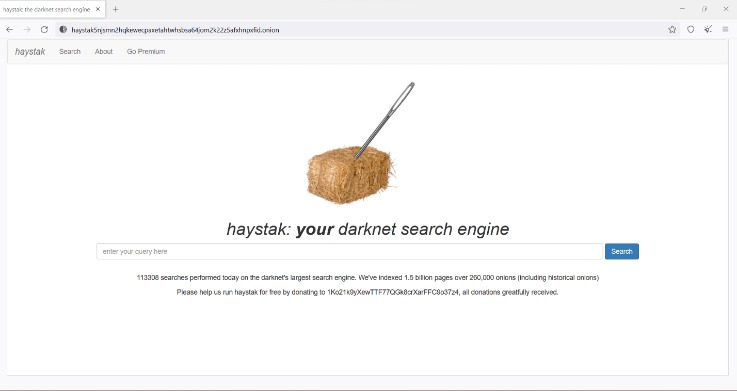
Unlike a Google query, searching the dark web is not straightforward. It operates on encrypted networks like Tor (The Onion Router), where websites use .onion addresses instead of common domains. There is no central indexing authority, making dark web search a process of finding and relying on specialized, often unreliable, directories and search engines that crawl this hidden layer.
How Dark Web Search Works
Users typically follow a multi-step process. First, they must download the Tor browser to anonymize their connection. Then, they need to find starting points, which are often directories or forums shared through word-of-mouth. Effective dark web search depends heavily on knowing where to look and using the right tools.
- Onion Directories: Sites like "The Hidden Wiki" act as link directories, categorizing various .onion sites. Their reliability is not guaranteed and they can host malicious links.
- Dedicated Search Engines: Engines like "Ahmia" or "DuckDuckGo's onion service" attempt to index .onion sites. However, their coverage is extremely limited compared to surface web search engines.
- Community Forums: Many users find resources through dark web forums where links and recommendations are exchanged. This method carries high risk of exposure to illegal content.
Risks and Legal Dangers

Engaging in dark web search is inherently risky. The anonymity attracts criminal enterprises, and you may inadvertently encounter illegal marketplaces, disturbing content, or scams. Law enforcement agencies actively monitor these spaces. Simply accessing certain areas, even out of curiosity, can put you on a watchlist. Furthermore, malware and phishing scams are rampant, designed to exploit the anonymous environment.
FAQs
Is it illegal to browse the dark web?
In most countries, using Tor or browsing the dark web is not illegal in itself. However, accessing illegal content or engaging in illicit transactions is a crime.
Can I be tracked on the dark web?
While Tor provides strong anonymity, it is not infallible. Advanced techniques, user mistakes, or malicious software can compromise your identity and location.
Are there legitimate uses for dark web search?
Yes. Journalists use it to communicate with whistleblowers, activists use it to bypass censorship, and individuals use it for genuine privacy concerns. The technology itself is neutral.
Ultimately, dark web search is a complex and perilous endeavor. It requires a clear understanding of the tools, a stringent adherence to security practices, and a sober awareness of the legal and ethical boundaries. For the average user, the risks far outweigh any potential benefits of casual exploration.